What Running Makes of Me

"There is no substitute for finding out one's own self, for the personal revelation, for knowing first hand...When I run that happens. The body and the spirit become one. Running becomes prayer and applause for me and my Creator. When I run, I am filled with confidence and the faith that word contains. I can face unanswerable questions, certain that there are answers."
George Sheehan, This Running Life
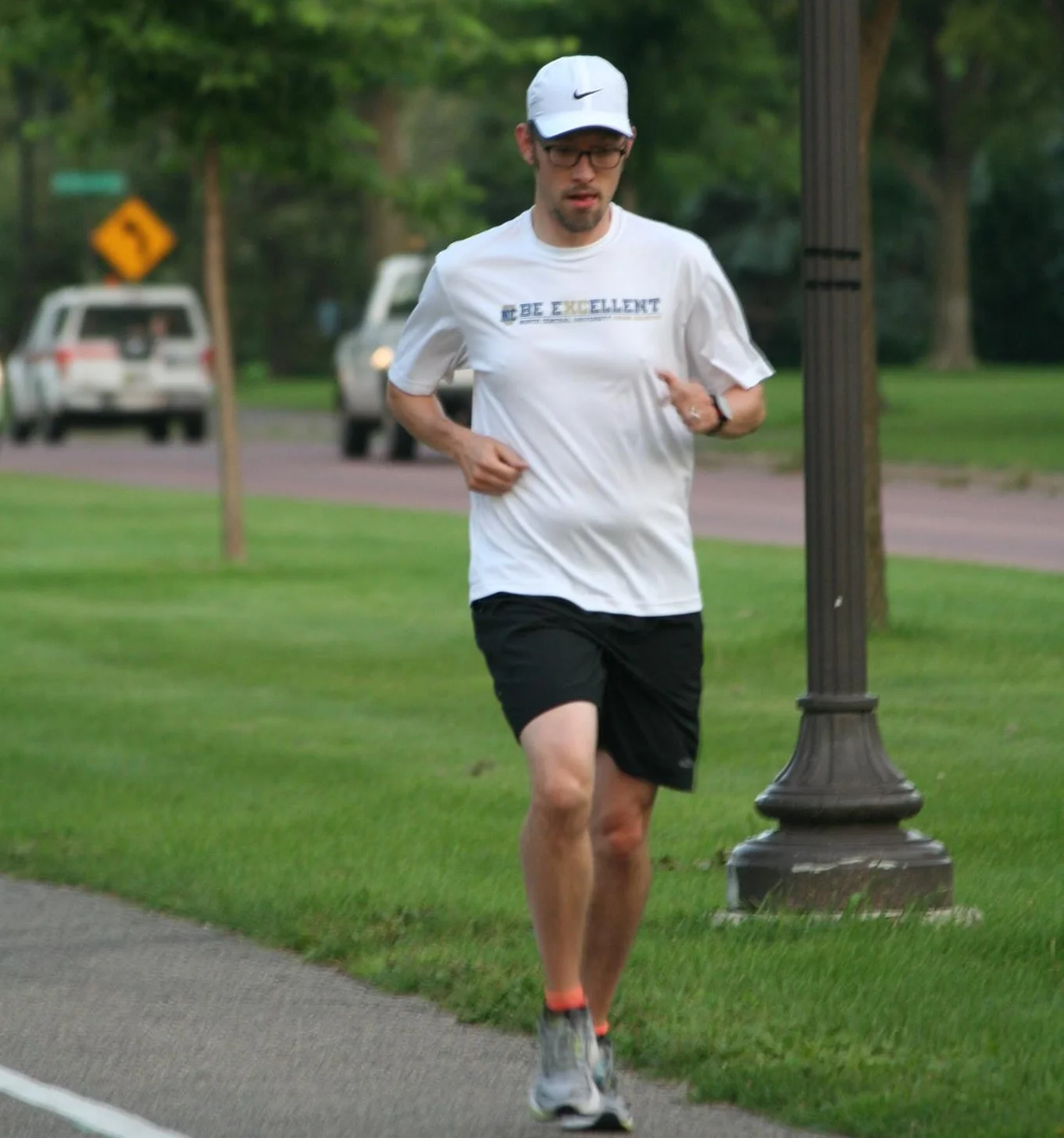
There is a bend in the West Mississippi River Road just southeast of Downtown Minneapolis. When you head south, the path plunges down over 100 feet of vertical elevation over the course of a third of a mile. The road and accompanying recreational trails pass under the iconic arches of the I-35W bridge that provide motorists passage over the river gorge. As you run along this section of the "Grand Rounds Parkway", it feels like crossing into a new time and space. Though it is over a mile from the origin point of most of my runs, this unintended gateway is truly where my running begins.
The hill provides a dramatic divide between a bustling downtown metropolis and what feels like a separate part of the world. When my legs reach the bottom of the hill, my stride evens out in stark contrast to the choppy steps a long downhill necessitates. With a few final adjusted breaths, my aerobic system, muscles, and frame unite and I'm simply running. Momentarily, after another quarter or half a mile, running begins its work. By the two mile point, before a gradual uphill section rises to meet one of my favorite bridge crossings in the Twin Cities, running has revealed what's truly on my mind.
By the top of the Franklin Avenue Hill, my running has become the truth. All of the things I am at the top of the hill are a reality. The stretch of the achilles, gastrocnemius, and soleus are real. The onset of lactic acid accumulation initiated by my pace is a true or false test of physical exertion. The most pressing issues in my soul and mind have come to the front and I am the sum total of my physical, spiritual and emotional parts.
Over the years I've paged through a few of history's renowned theologians, philosophers, and thinkers. Kierkegaard, James, Nietzsche, the Greeks, the Romans. reformers, scholastics, romantics, theosophists. Nihilists, positivists, fascists, communists, and republicans. Generals, poets, pastors, professors, farmers, and naturalists. Criminals, heroes, and the editorialists in the local mullet wrapper tribune.
Too much. My mind is only capable of so much inquiry before the questions disable any return on investment. The time required for digestion requires to much space in actual time, of which all thinkers recognize we have so little. Though I continue to seek, the place I've been given to find is while the minutes and miles pass during my time on the run.
There is a point during every run where I am fully all of the parts of my being. I am more than my patellar tendonitis or problems at work or how to potty train my toddler but those things are a part of my experience. And experience tells me the run will come to completion in fine form. Without always knowing it the run has been a prayer to my creator and a celebration of all the things within my current experience.
As Dr. Sheenan is quoted above, during my run I am a fully discovered self. According to my beliefs and convictions, I see it as a place where an eternal, holy and wise God communicates himself to me. Of course, I recognize that is a statement of inherent faith.
But regardless of spiritually, there remain few things more real than what running has made of me. Every day I head out for a run there will be a moment of honest clarity where the truth is known if only for that moment at the top of hill on the Mississippi River Gorge.
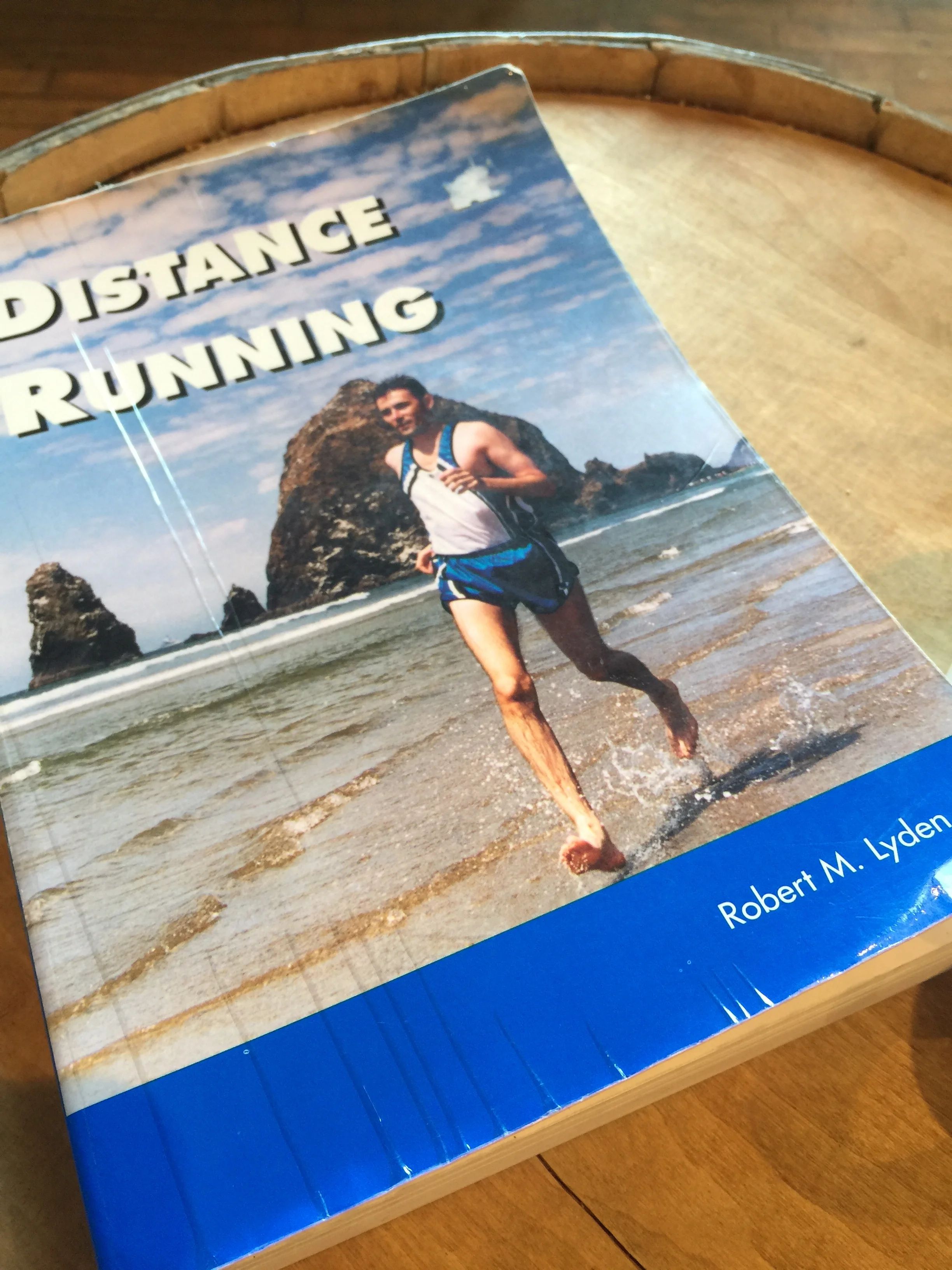
From the Reading: Distance Running, Lyden
Lyden on athlete maturation process
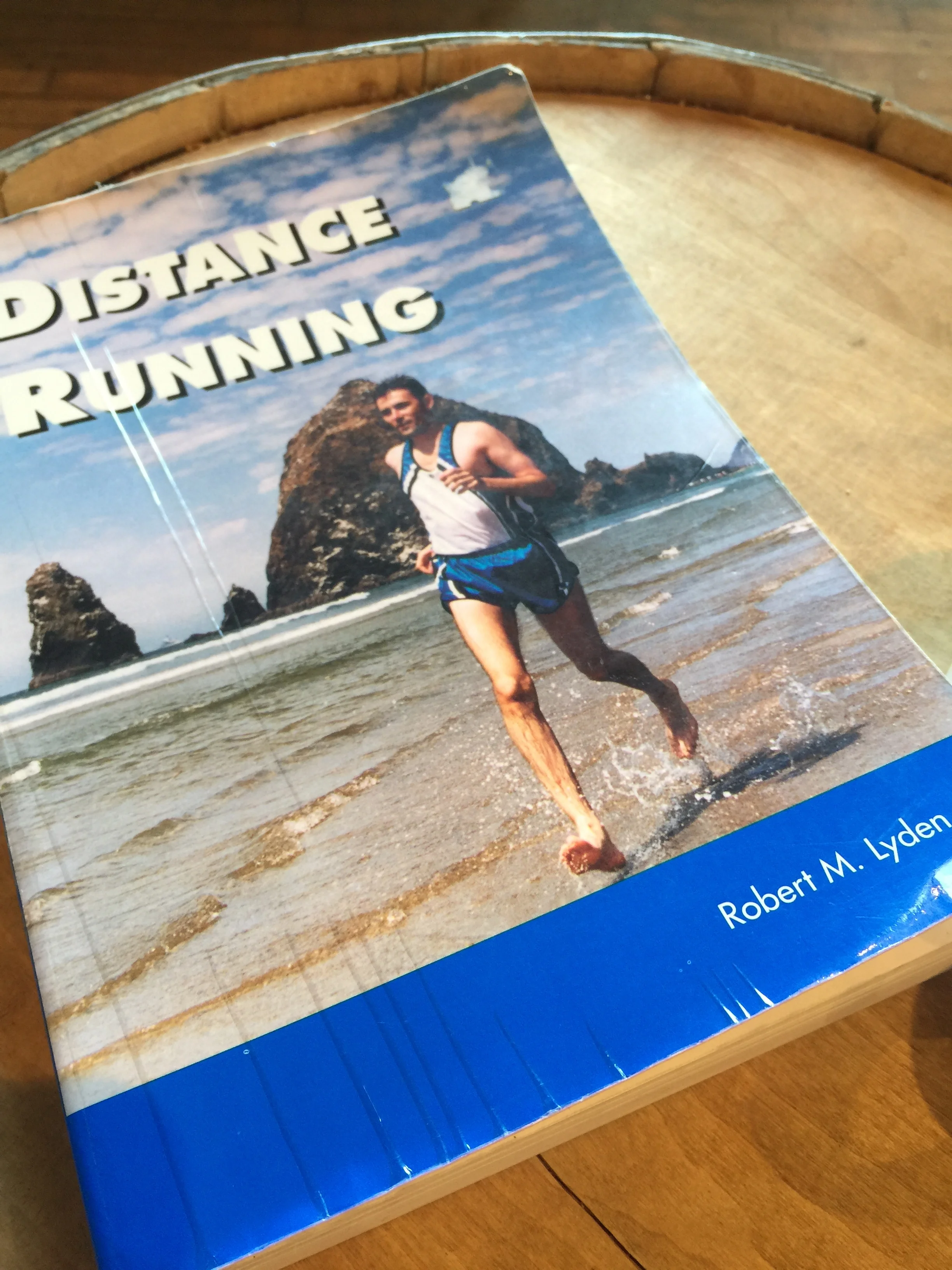
Lyden's classic text scored from a used book store.
I'm about halfway through this textbook-like tome with a simple title but very thorough content. I'll save review content for when I finish the book but for now here's a key item I've been considering in my own coaching that also came up in this book.
This may be the best question provoked thus far through the first 200-plus pages. In a section on psychology of athletes, he poses three stages of mental development:
- immature athletes
- maturing athletes
- master athletes
For me the best info here was understanding the need for helping the immature athlete move toward maturity by helping them understand how the off-season should look.
Lyden proposes it's the coaches responsibility to help guide this process. We as coaches should be creating a lifestyle where the habits ingrained during the season turn into a complete and consistent, year-round way of life. Obviously intensity, quality, and quantity of training change or completely cease. But the organization and control created by athletic discipline should continue if the athlete is to have truly gained maturity.
Instead of binging on bad foods in place of healthy diet or slacking off in consistent sleep schedule, athletes should maintain these standards. The lifestyle of a committed athlete in the off-season will lack the demand of training and by virtue of continued healthful habits, will provide an environment where recovery will occur completely and wholistically. The demand for more sleep, proper fueling, and other areas maintained for peak performance will produce great recovery effect when the actual demand of training and competition is removed. Additionally, the extra time opened up by lack of specific sport focused training allows the mind and spirit to process or escape the pressure of competitive sport.
I really valued this thinking even if it is obvious on the surface. The question remains for myself as a coach to develop this culture in our programs.
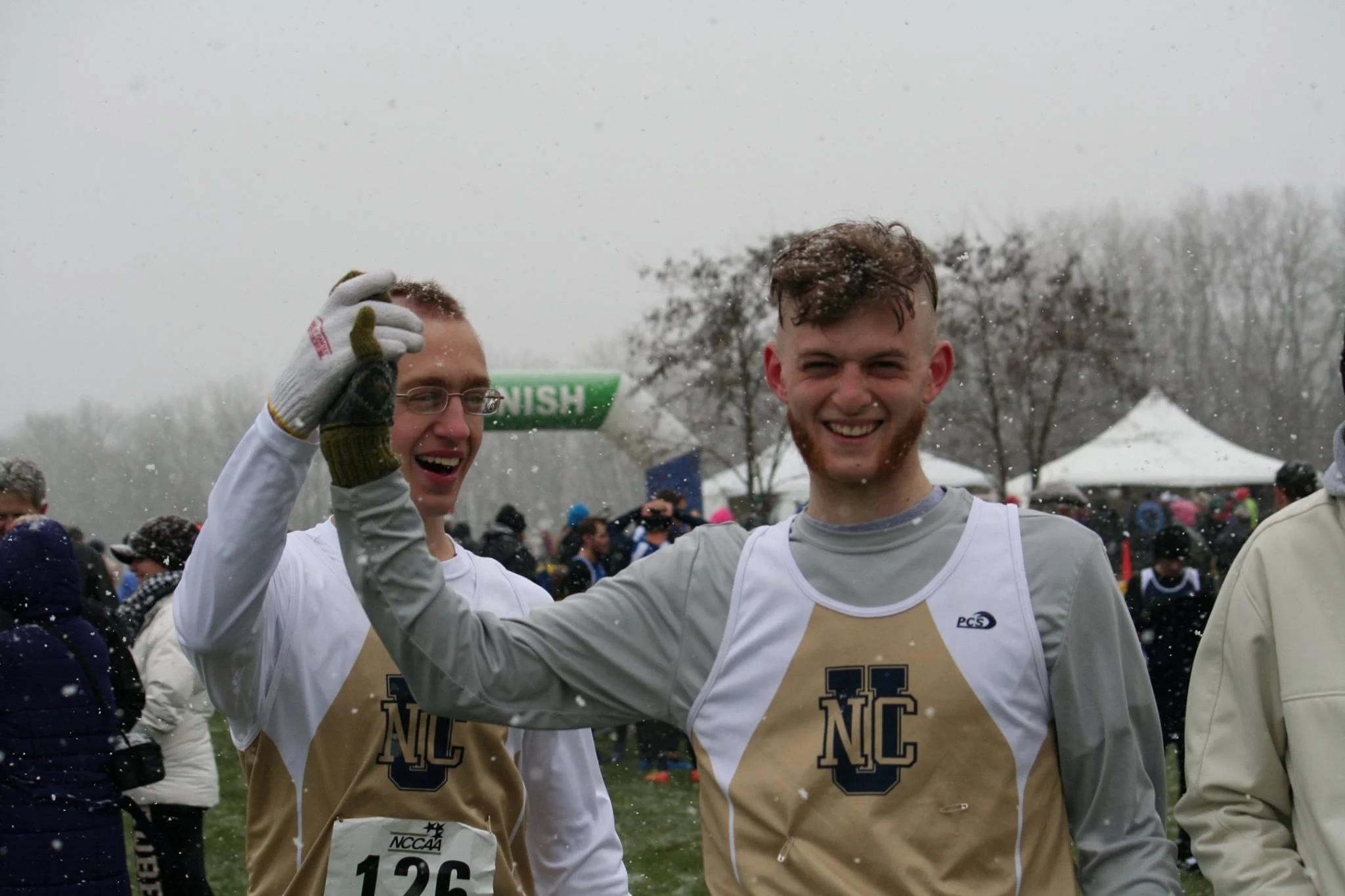
Evaluating My Team Motivational Climate
I believe it's important to know the who, what and why of the extrinsic motivational climate created by my coaching philosophy.
I have been sitting on this type of post for almost six months. Lots of different thoughts have come and passed through my mind during this time period. Time was necessary as I did not want to write in a state of irrational anger or frustration. I also did not want to operate out of a lack of broader perspective that disallowed examination of different perspectives or experiences. Basically I did not want to sound like an idealist jerk.
The topic of motivation has sailed many ships in the world of sport psychology. There are amazing authors out there who have done hours of research, or teamed with those professionals who have done so, to give coaches like myself tools to help create team climates founded on healthy psychological foundations. That includes both performance motivations and, for those of us who value educating for life, motivations for living a life of purpose day to day.
First, I need to acknowledge that I come from a position of privilege in many aspects of my life. I have two great parents who loved and continue to love me from childhood through to my adulthood and where I stand today. They were both supportive and corrective in my personal formation and gave me a base that a lot of my peers and even more of the generation I now coach do not benefit from today. I'm also a white guy from a mostly middle class existence that had exposure to mostly decent educational opportunities. We were not well off and I never had my own car or my own personal computer or other things that many around me did have in my small town in middle America. But these key areas did and do set those like myself up for better prospects down the road as an adult.
I say all that as a prologue to my point in this post so you know I recognize my perspective is inherently biased in some ways. But my point is, I am sick and tired of the "hater" culture athletes and coaches seem to have latched on to as a source of motivation in sport. From post-game interviews to social media to in-depth sports desk TV pub pieces the words hater, doubter or critic are used synonomously with the who, what, and why of athlete motivation.
We all have rival athletes, coaches or teams that bug us and our motivation is often spiked on the days these groups are on the schedule. But what happens when you erase all the room for doubt about your accomplishments? What happens when you climb the mountain and put your flag on the surface of unexplored continents or planets? What happens when you set all the records and claim every accolade available? And you are 25 with 45-55 years left in your life?
Sure there will always be the naysayers and those that refuse to acknowledge the greatness of your exploits no matter how much gravity those accomplishments obviously create. But when the singular extrinsic motivation of your life's work is the opinion of others who have a bias against you, there will likely never be a resolution and thus never a final satisfaction. After you reach the apex of athletic or personal endeavor and there is still much living to do in your life the faulty apparatus you used to fuel your fire often disappears with time as you move on past your greatest achievements. Those haters and doubters have moved on to the new, latest and greatest (Wilt Chamberlin to Bird & Magic to MJ to Kobe and now to LBJ) and you are on a island of those time forgot.
What my upbringing and experience created for me was a climate of support and belief, not influenced by fear of failure, but reinforced by my value as member of the team and the community around me. My parents poured their lives into supporting my interests. My high school teachers and college professors encouraged me, through both positive affirmation and firm corrective measures, to continue the pursuit of improving my writing skills. High school and college coaches pushed me every day, sometimes with hard doses of reality and correction, to focus on the beauty of hard work and dedication producing the best version of team and self possible.
It was not a story book life and will not likely be made into a movie like McFarland, USA. But it spoke to me that ever day is an opportunity that is endless and that they fully believed in my ability to make the most of those chances. It spoke indirectly, that for these educators, coaches and family members, love is stronger than hate. It spoke that their love for me and the things I brought to the table every day, though sometimes rough around the edges, were worthy of their lives work.
I every day I swing the hammer and go to work chiseling out the final product of my life, I remain motivated by those who believed in me before I knew AP style or won any coaching awards or worked with all-Americans. Coaches who believed in me before I finally reached the relatively unimpressive feat of breaking five minutes for 1600m on a track as a high school senior. Educators who emptied their red felt-tip pens on to my papers and articles so that I could become some one who is paid to write. These are the faces of the who, what and why that motivate me today.
As a coach, it remains my focus to fill the young people I work with so full of belief and love that they can run faster than they ever thought possible. But I also want them to know that they can come up short of a personal best and the team can finish out of the running for championships and its okay because they laid it on the line for weeks and months and, sometimes, years and did all they could with the opportunities available.
People will question and doubt and maybe even hate what you try to accomplish. I want to be someone who speaks life and hope. I want my team to be a place where those who have never experienced positive extrinsic motivation can learn how to embrace both the disbelief of others and the eternal opitmism of a family that accepts your success and failure all the same. As a coach I take it as my responsibility to build a climate where opportunity is the buzzword and family is the motivational cliche. Those two items never go out of style and though media may not find a juicy quote in those locker rooms they will find men and women prepared to face the day after sport is no longer the biggest mountain that remains to climb.