Lost thoughts from XC Season: Process Workouts
In reality, every day is a process workout. The key will be coaching within that process and focusing on taking the right step each day to make that the most beneficial process possible.

Coach: How did the workout go for you today?
Athlete: Well...I think it was...a process workout
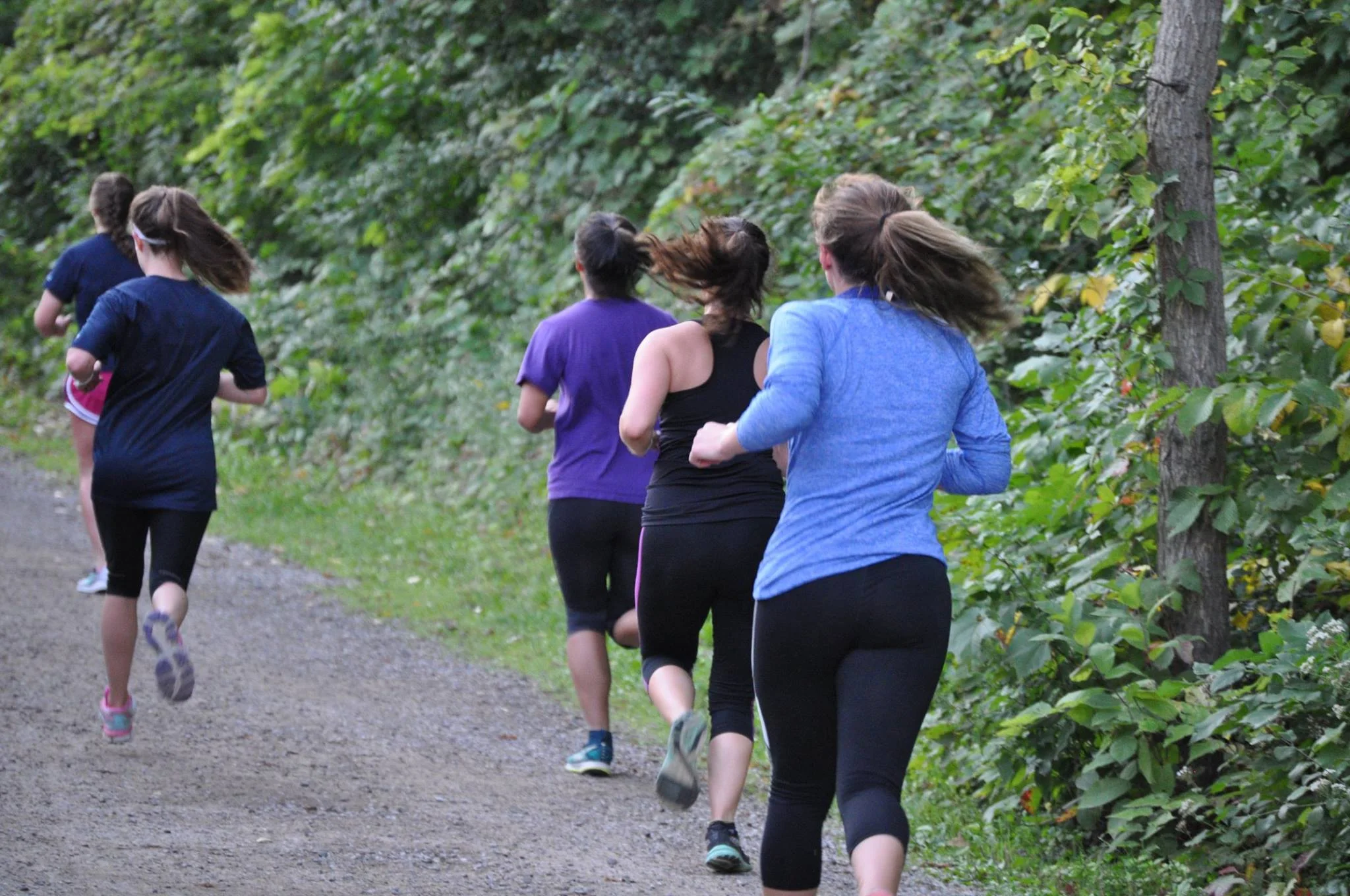
In late August our team gathered for a week of preseason training camp. This was a quote from an athlete after an RPE based, fartlek-style workout late in the week. I've been simmering over that quote since that perfect summer morning on one of my favorite section of trails in the Twin Cities.
As a coach I am always interested in evaluating mental, physical and emotional preparation of cross country runners when we meet up in August. There are so many rabbit trails to chase with so many data points.
The bottom line remains: how ready are the troops for the final 12 weeks of very specific training that needs to be done head of championship race season in late October and early November.
The reality is: not every athlete is ready to do the types of things necessary for championship racing and there are more than simply physiological factors involved in that evaluation process.
So when that athlete offered that response to what was a very valuable assessment day for my evaluation process, I was struck by the simple and concise summary of our first true fast running workout of the year.
The workout was four days into our week and we'd had five running sessions, including a grossly disappointing 3k time trial (I literally discarded the results when I got back to the offfice) 48 hours prior.
It was a simple session:
Standard dynamic stretching and form drills
10-15 minute progressively faster warm-up run
sets of 300m on/off on a 600m loop
On efforts at 1500m RPE, rep recovery at standard aerobic run pace, set recoveries at self-selected easy pace
Goal ON distance at 3-4k
No athlete watches, totally run by feel
I ran a watch and pulled athletes based on any variance over 4 seconds or visual fatigue cues
Ended with easy run to meet session total volume goal
As we begin track practices this winter the experience of this workout will inform how I guide the athletes through our workouts. But just as important will be allowing the work they do to inform them of the stage they are in within a process of personal development in every area as it relates to mental and physiological growth.
In reality, every day is a process workout. The key will be coaching within that process and focusing on taking the right step each day to make that the most beneficial process possible.
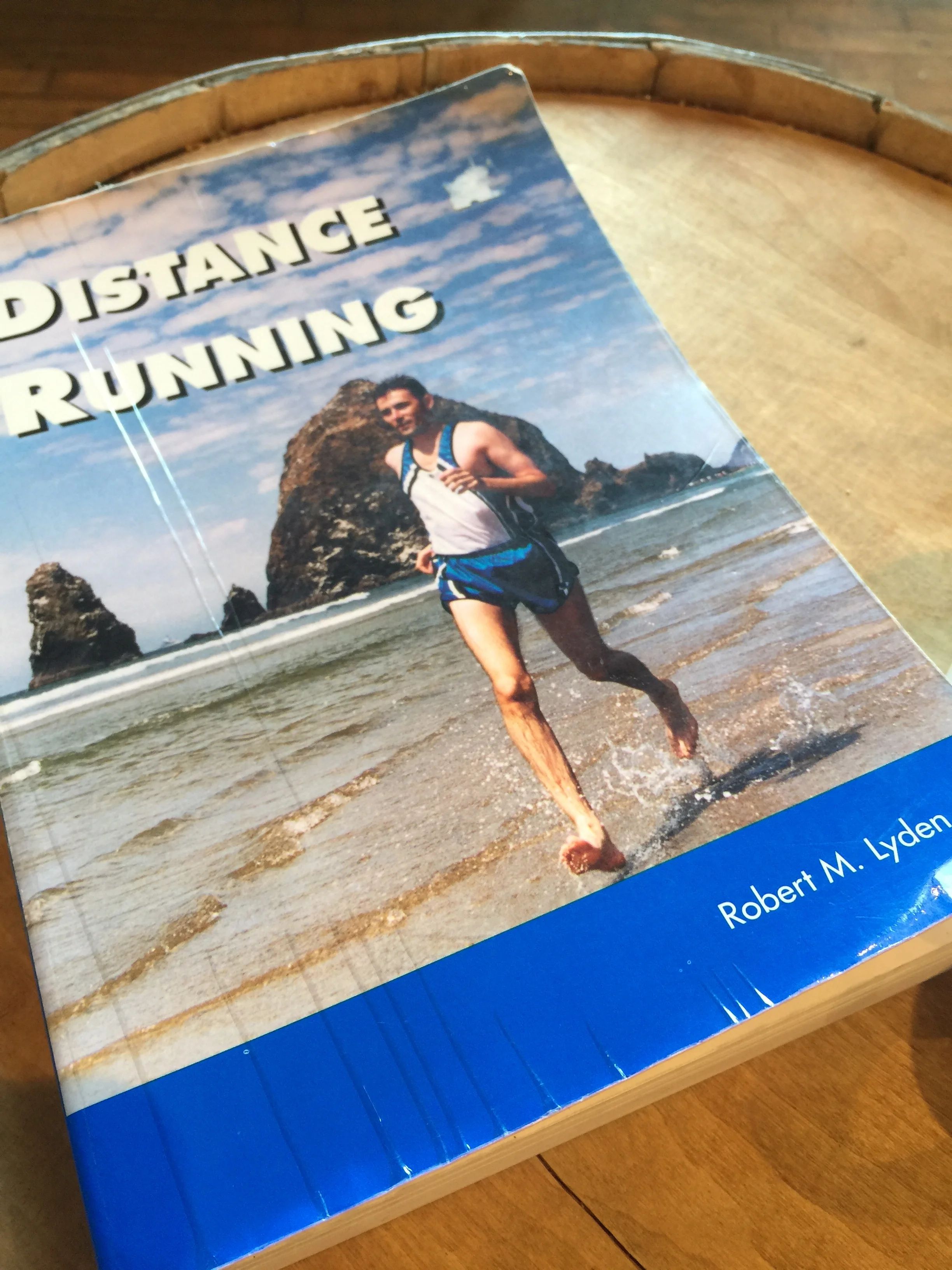
From the Reading: Distance Running, Lyden
Lyden on athlete maturation process
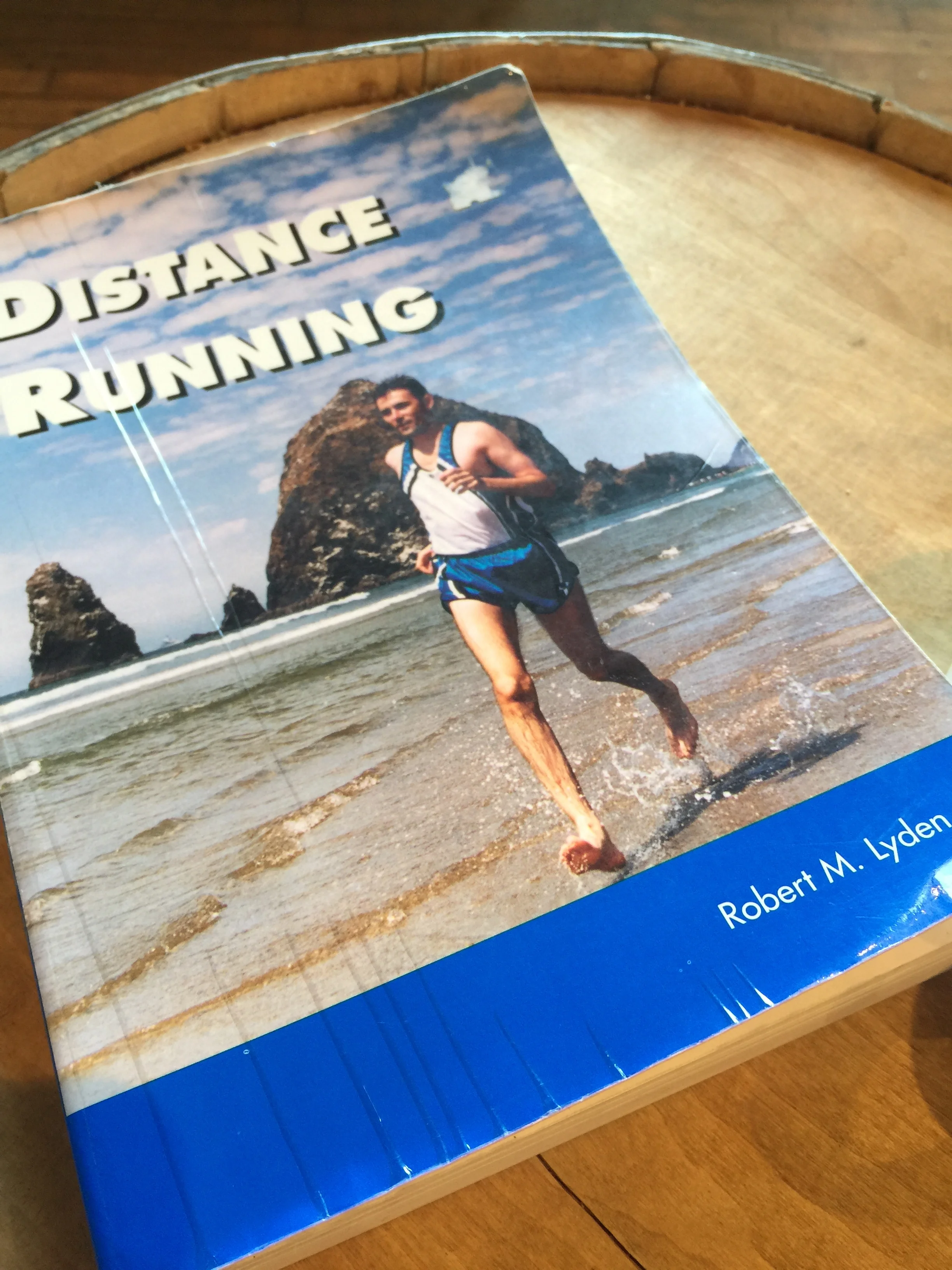
Lyden's classic text scored from a used book store.
I'm about halfway through this textbook-like tome with a simple title but very thorough content. I'll save review content for when I finish the book but for now here's a key item I've been considering in my own coaching that also came up in this book.
This may be the best question provoked thus far through the first 200-plus pages. In a section on psychology of athletes, he poses three stages of mental development:
- immature athletes
- maturing athletes
- master athletes
For me the best info here was understanding the need for helping the immature athlete move toward maturity by helping them understand how the off-season should look.
Lyden proposes it's the coaches responsibility to help guide this process. We as coaches should be creating a lifestyle where the habits ingrained during the season turn into a complete and consistent, year-round way of life. Obviously intensity, quality, and quantity of training change or completely cease. But the organization and control created by athletic discipline should continue if the athlete is to have truly gained maturity.
Instead of binging on bad foods in place of healthy diet or slacking off in consistent sleep schedule, athletes should maintain these standards. The lifestyle of a committed athlete in the off-season will lack the demand of training and by virtue of continued healthful habits, will provide an environment where recovery will occur completely and wholistically. The demand for more sleep, proper fueling, and other areas maintained for peak performance will produce great recovery effect when the actual demand of training and competition is removed. Additionally, the extra time opened up by lack of specific sport focused training allows the mind and spirit to process or escape the pressure of competitive sport.
I really valued this thinking even if it is obvious on the surface. The question remains for myself as a coach to develop this culture in our programs.
Wrapping up Thoughts on Healthy Running and Racing Context

Today's post connects back to my previous two entries about the healthy context I believe is necessary for us to feel successful in racing. It is absolutely necessary to follow planned and organized training schedules for runners to reach their goals. If I did not believe that I would not be in this profession and certainly not publishing my thoughts to a web address with "Coach" in the URL.
Yet the need to remain connected to the fundamental reason we chose to engage in running must never be lost. The freedom in movement, the simplicity in task, the escape from our daily grind in an allegorical act of taking control. In pursuit of worthwhile goals and results in sport there is an inescapable demand for monotonous rigor carried out over time to harden the athlete. Hours of batting practice or the golf driving range are, in those aspects, not that different than runs on my favorite four miles and change.
However, there is danger present when the reasons my favorite route is preferred over others becomes the tree lost in the proverbial woods. At that point it is only a matter of time before motivation fails, goals become inconsequential and I might surmise that no training plans will rescue the athlete.
Every run is not fun. Monotony will steal joy. Athletes will have to drag themselves reluctantly toward the next workout. Coaches will need creativity and confidence to inspire athletes on the days dulled by the "trial of miles". But over the last few months I have become more convinced than ever that sometimes we must leave room for the freedom of simplicity in our training.
The great part about my favorite route is that it became so over time spent running there over almost two decades. I know the distances by heart within less than a tenth of a mile. I know the hills and flats and holes in the pavement. Because of the past work relationship I have with my beloved "Hennepin Loop" there is trust that I just need to cover the route in one of its various iterations. The other variables are not always required reading every time out on the path.
As a coach taking the watch off for an RPE based workout is great for athletes training for cross country where times are often irrelevant to team scores. But sometimes it also opens the window for us to look back and remember why we chose to run in the first place. Every time my fitness has been good enough to achieve fast times at my ability level there have been complicated, well planned, physically and mentally taxing workouts on the schedule. But there were also days where I could trust my natural self-selected recovery or easy pace over a route that was close enough to the distance I needed to cover.
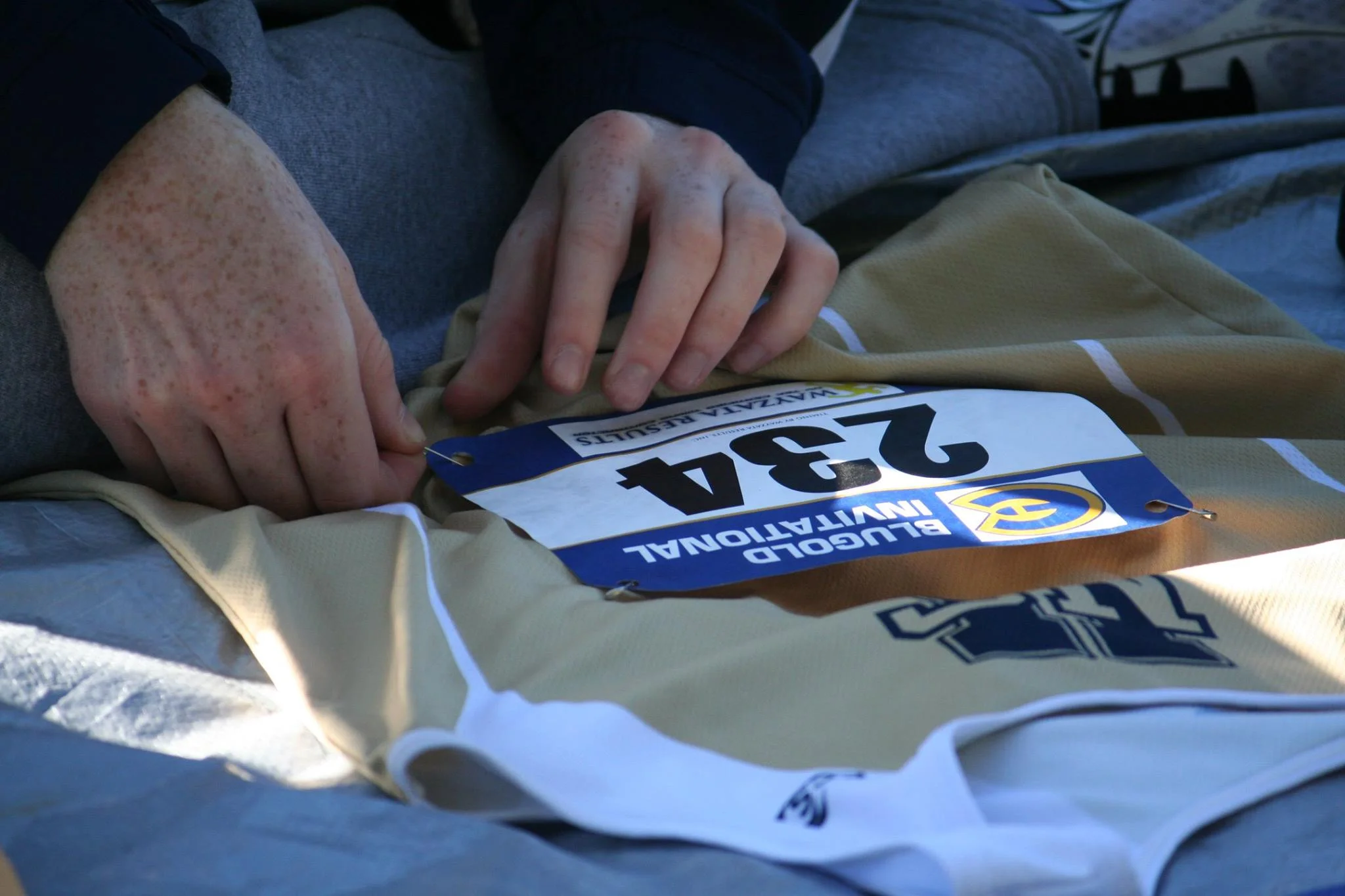
In those days I can tell if the training is too much. In those days I can see the forest tree by tree. Enough of those days allow me to pin on a bib number with enough mental, physical and emotional energy available to confidently unleash my best effort and embrace the spirit of competition that drew me to running in the first place.