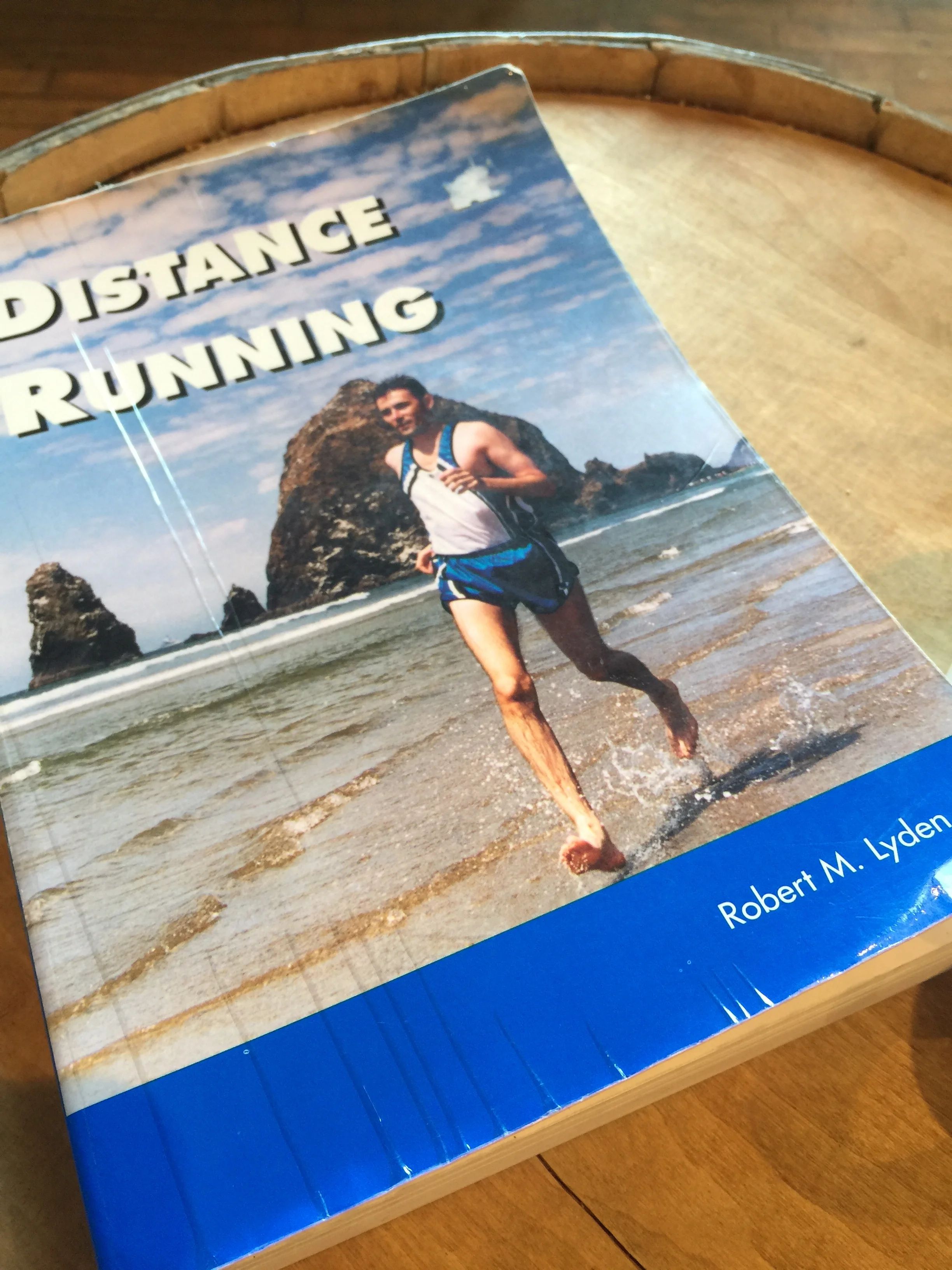
From the Reading: Distance Running, Lyden
Lyden on athlete maturation process
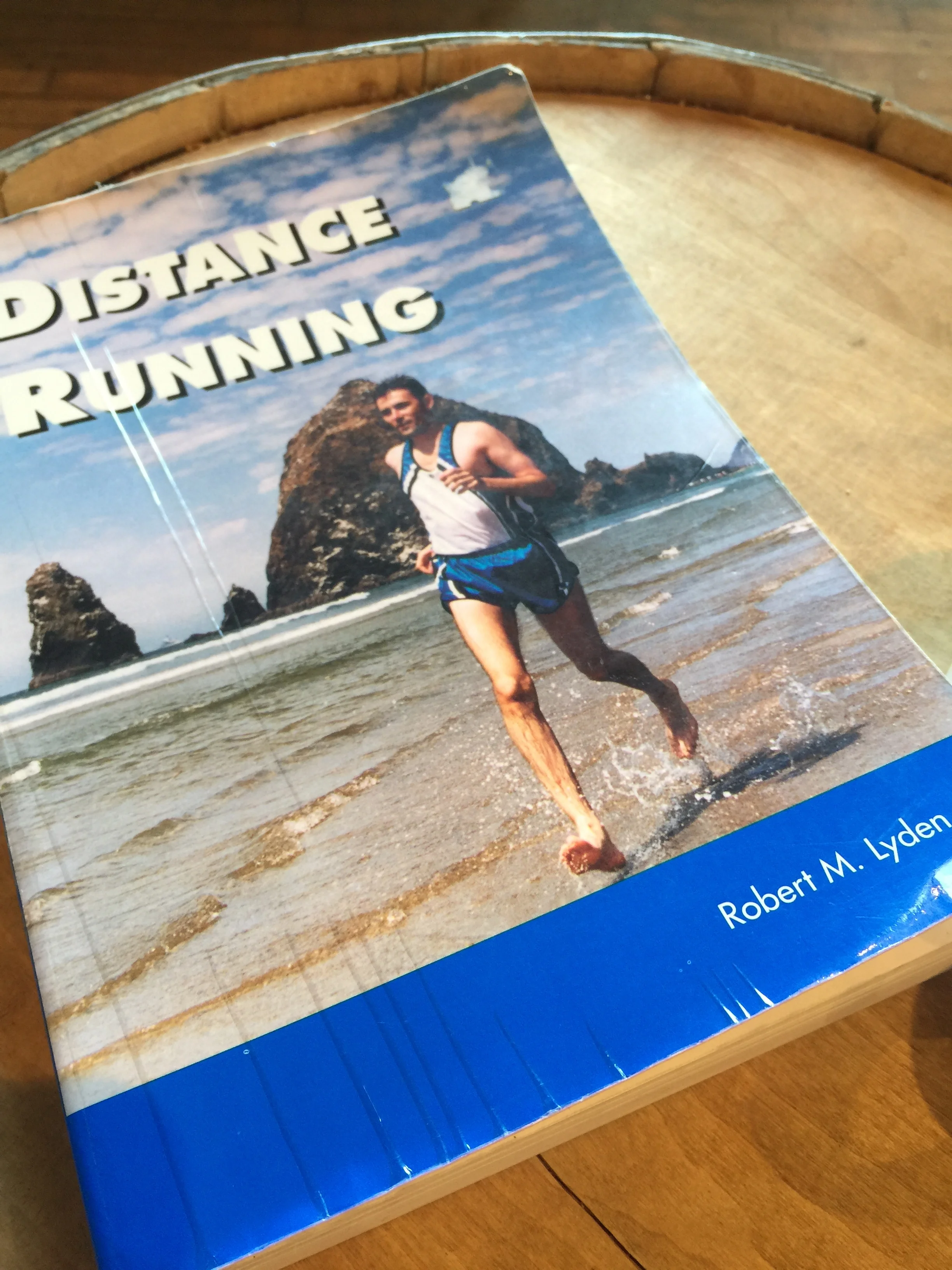
Lyden's classic text scored from a used book store.
I'm about halfway through this textbook-like tome with a simple title but very thorough content. I'll save review content for when I finish the book but for now here's a key item I've been considering in my own coaching that also came up in this book.
This may be the best question provoked thus far through the first 200-plus pages. In a section on psychology of athletes, he poses three stages of mental development:
- immature athletes
- maturing athletes
- master athletes
For me the best info here was understanding the need for helping the immature athlete move toward maturity by helping them understand how the off-season should look.
Lyden proposes it's the coaches responsibility to help guide this process. We as coaches should be creating a lifestyle where the habits ingrained during the season turn into a complete and consistent, year-round way of life. Obviously intensity, quality, and quantity of training change or completely cease. But the organization and control created by athletic discipline should continue if the athlete is to have truly gained maturity.
Instead of binging on bad foods in place of healthy diet or slacking off in consistent sleep schedule, athletes should maintain these standards. The lifestyle of a committed athlete in the off-season will lack the demand of training and by virtue of continued healthful habits, will provide an environment where recovery will occur completely and wholistically. The demand for more sleep, proper fueling, and other areas maintained for peak performance will produce great recovery effect when the actual demand of training and competition is removed. Additionally, the extra time opened up by lack of specific sport focused training allows the mind and spirit to process or escape the pressure of competitive sport.
I really valued this thinking even if it is obvious on the surface. The question remains for myself as a coach to develop this culture in our programs.
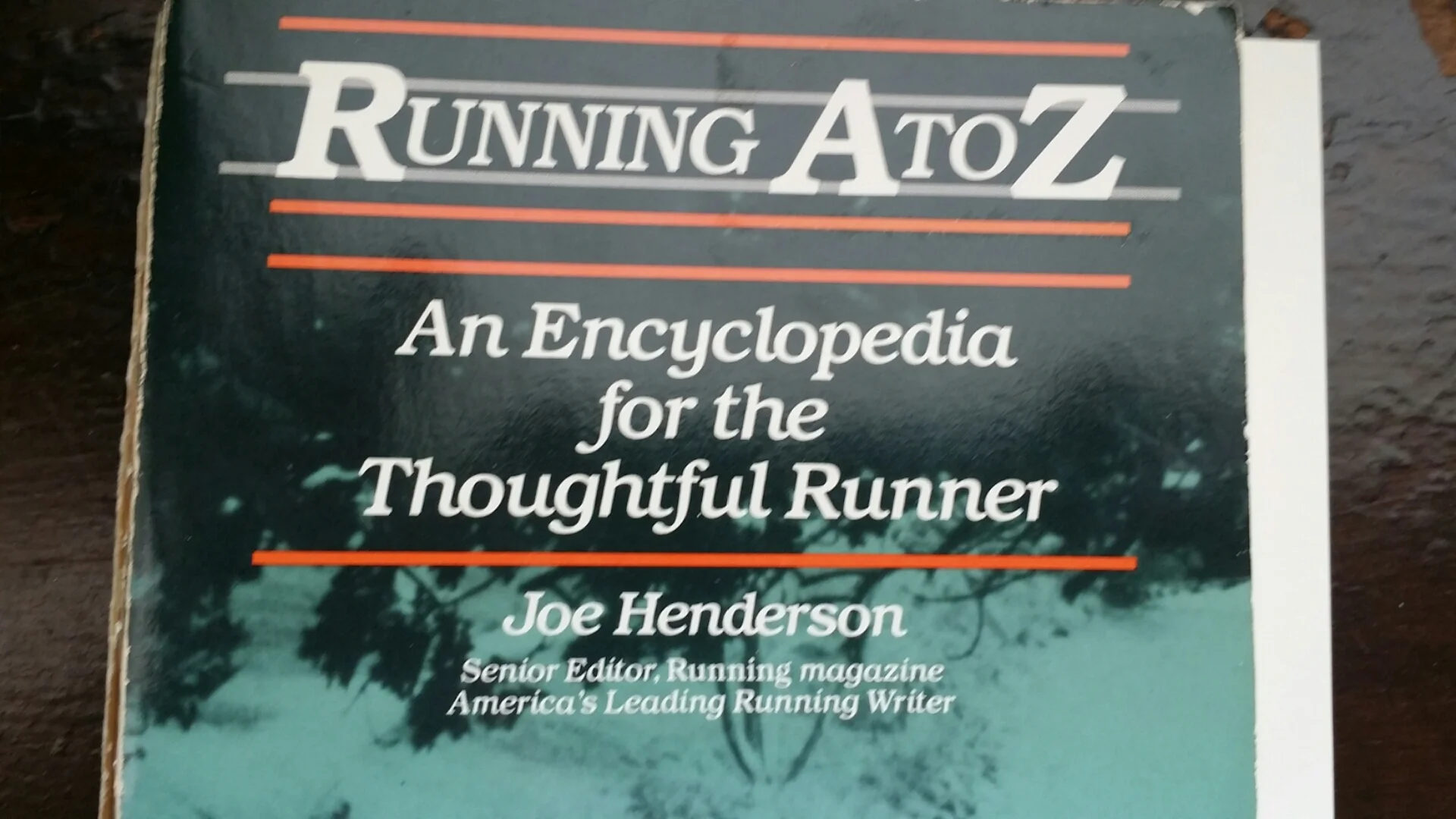
In the Reading: Running A to Z- An Encyclopedia for the Thoughtful Runner

One of my favorite running related activities is hitting up local used book stores to find musty, yellow paged gems of the mid century running boom. The Fixxs, Bowermans, et al. are often hard to find but others such as Joe Henderson's writings from a few years past the apex of the "boom" offer us a refreshing glimpse into the era prior to Map My Run, Polar HRM, iTunes and hashtags.
I am also always reading current writing related to exercise physiology and psychology. But that reading is less of a hobby and more of the work required to be a successful coach staying competitive in the information age where no one seems to sleep (don't get me started on what research says about need for sleep!). I love Matt Fitzgerald, Steve Magness and Greg McMillan and what they offer the inquiring coach of today. I have a book by each of them on my desk waiting for the weekends of summer where college coaches park the bus and hit the refresh button.
There is simply no reason for a coach not to have logical, educated views on training runners. Later on I plan to address my thoughts on training but today I wanted to set the stage for future posts on my reading.
Writing on running and training from the early 1980's will often come into conflict with much of what we think of today as common knowledge about those topics. Yet we are not any less subject to the trends and whims of the latest marketing. We laugh at swishy, pastel, nylon jogging suits or bulky transistor radio headsets or racing in something very akin to Chuck Taylors with a spike plate.
Yet our running clothing is no less unfashionable and our gadgets, while smaller in size have only made more room to lug additional baggage with us each time out the door. With the minimalist running boon of the last five years giving way to the Hoka One-One I am reminded of the Onitsuka Tigers that gave way to the first New Balance and Brooks trainers of the 1980's.
If you can clear the clutter of possibly outdated training advise you can find wisdom in the pages of these texts. My quote from today connects back to my recent posts on the need to simplify training from time to time. If it was true in 1982 during the era of Running Magazine, I think it rings even more true in today's noisy, busy, non-stop twittering world.
"The run can still be quiet. but you have to try harder now to keep it that way. Set aside one hour in 24 that is yours alone. Guard it jealously against all intruders, human or electronic. In all your other waking hours, your head is being cluttered with the information, opinions and demands of others. Keep this one hour as your time to remove that clutter instead of piling up more"
- Joe Henderson, Running A to Z: An Encyclopedia for the Thoughtful Runner (Stephen Green Press, 1983)
Have a great run today and let me know your thoughts thanks for reading!